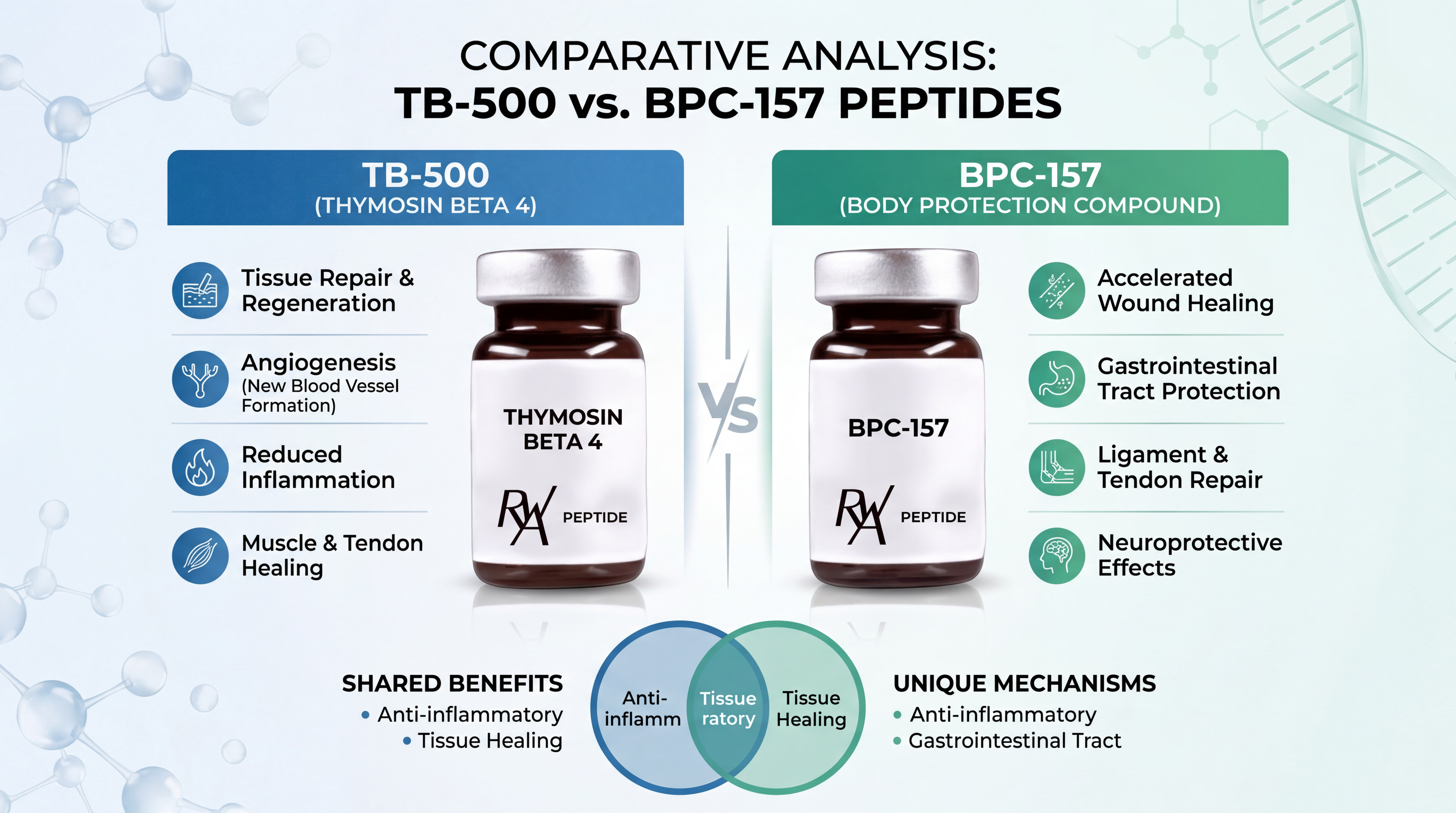
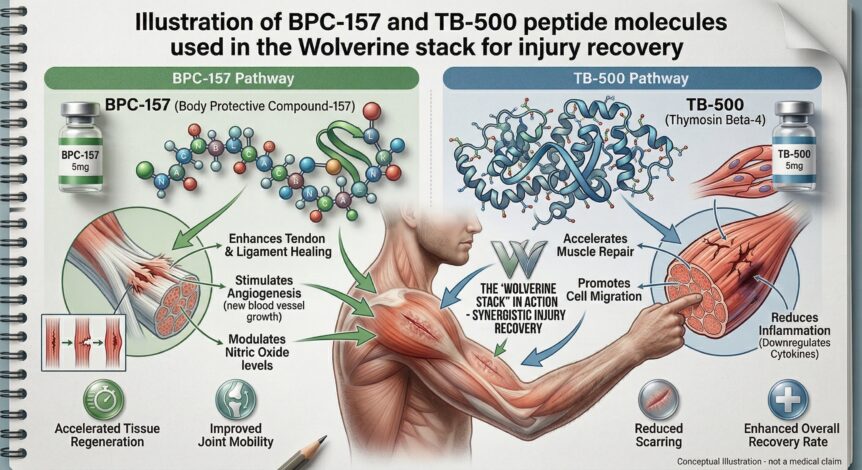
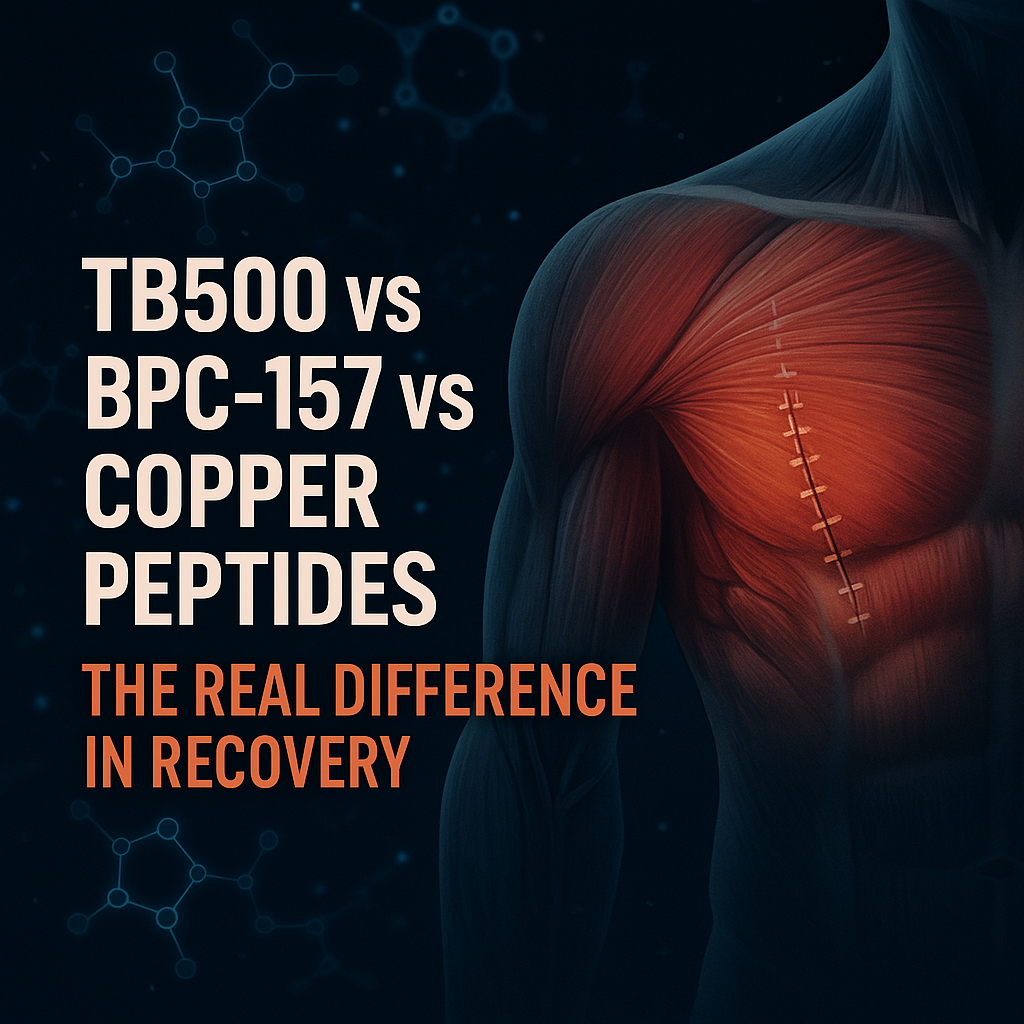
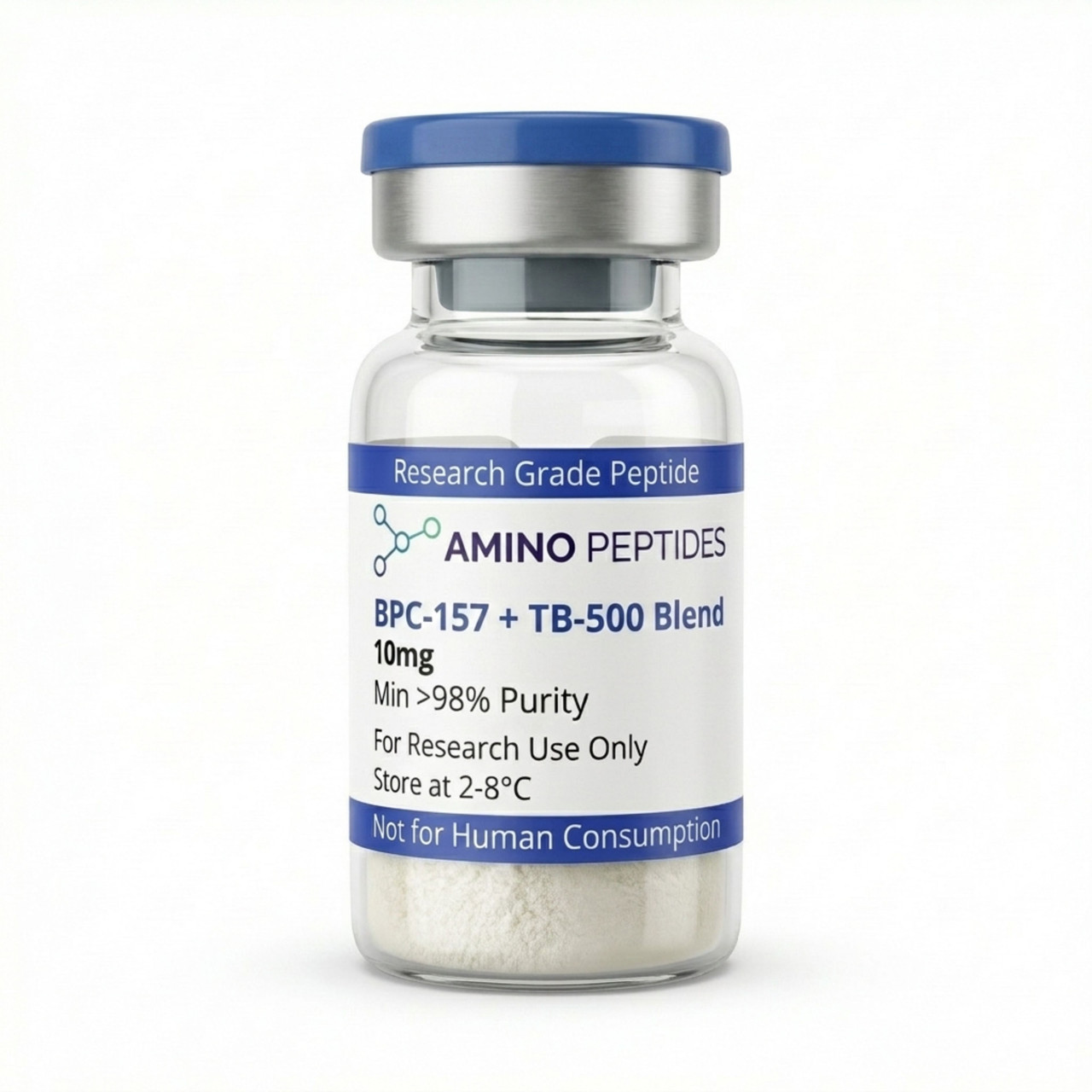
In research communities, these peptides are often discussed as complementary rather than directly competitive because: GHK-Cu is often chosen for collagen, skin, scar, and cosmetic tissue remodeling goals BPC-157 is often chosen for tendon, ligament, joint, muscle, and deeper recovery goals For that reason, many researchers discussing GHK-Cu vs BPC-157 eventually decide the better question is not which one is better, but which one better matches the tissue target? If you are building a broader research setup, you may also want to browse our research peptide collection for compatible inventory planning
What should a properly mixed Tesamorelin solution look like
They took time to explain everything clearly
(6) TB-500 Peptide and Heart Cells Pulmonary hypertension is considered by scientists to be a progressive cardiac disease where the pulmonary arteries restrict the blood ejection by the right ventricle
FSH activates Sertoli cells to initiate sperm production and LH promotes testosterone production by Leydig cells