HBOTs anti-inflammatory properties and neuroprotective effects may help mitigate behavioral issues and promote emotional stability by modulating neurotransmitter activity and reducing oxidative stress
Important milestones in the GHK-Cu literature include the original 1973 identification of GHK as a plasma-derived cell proliferation factor, the recognition of the copper-binding role in the late 1970s, the wound healing and collagen research of the 1980s and 1990s, the establishment of GHK-Cu as a cosmetic ingredient in the 1990s and 2000s, and the transcriptomic expansion of the research literature in the 2000s and 2010s
BPC-157 complements these effects through its enhancement of cellular proliferation and migrationincreasing fibroblast numbers at sites requiring matrix deposition while simultaneously upregulating MMP-2 by 85% to facilitate cellular movement through dense matrix environments, then stimulating TIMP production to prevent excessive proteolysis
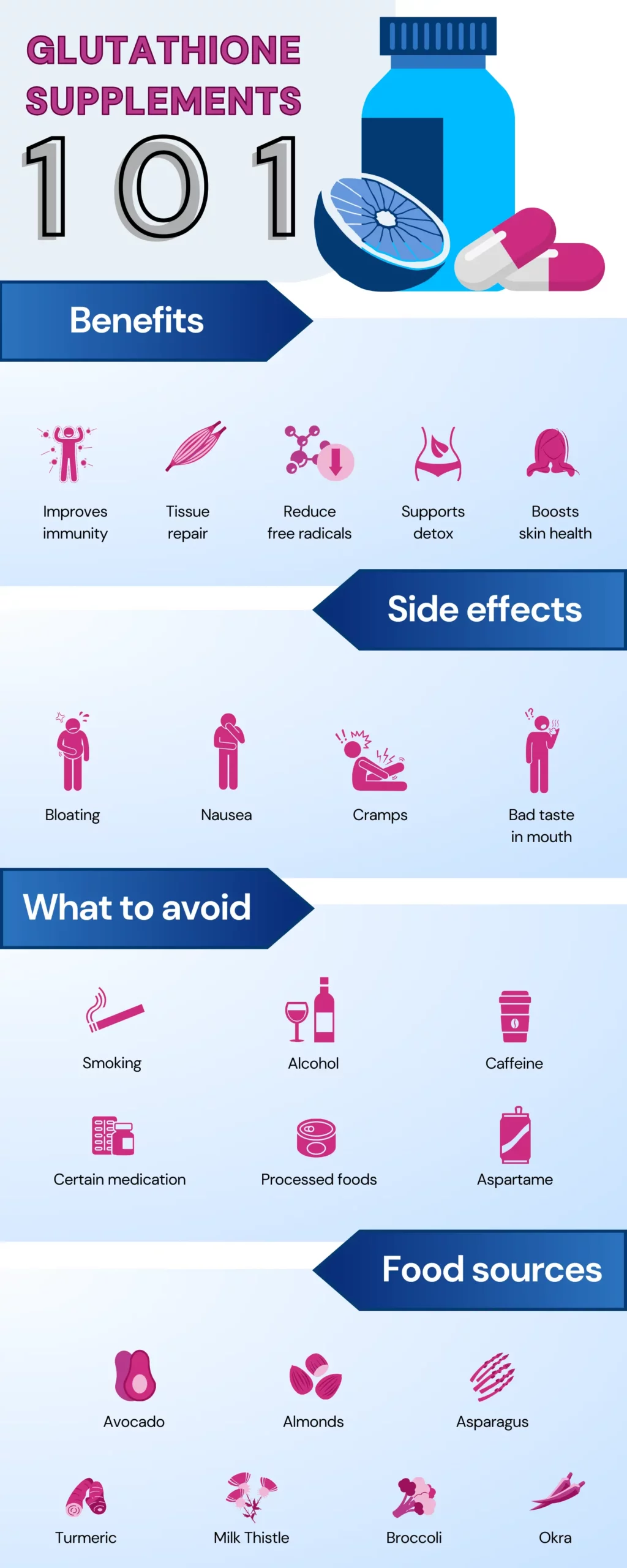
Here are some other ways to help increase levels of glutathione, along with taking care to optimize vitamin D: limit alcohol consumption, avoid smoking cigarettes decrease exposure to POPs increase intake of other antioxidants to decrease overall oxidative stress increase intake of nutrients that promote glutathione production, such as NAC (N-acetylcysteine), 1000 mg/day, whey, or SAMe get enough magnesium and selenium in the diet, as both are necessary for glutathione production the natural herb milk thistle can help recycle glutathione Aerobic exercise can increase your glutathione levels
Many of these factors, including HBV DNA level, are associated also with an increased risk of HCC